
Felony vs. Misdemeanor Theft Charges—How They’re Classified & Defended
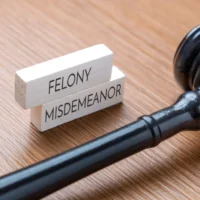
If you are facing theft allegations in California, understanding whether the charge is classified as a misdemeanor or a felony is critical. The difference can affect potential jail or prison exposure, immigration consequences, professional licensing, and long-term employment opportunities. At the outset of any theft case, an experienced criminal defense attorney evaluates how the offense has been charged, whether the classification is legally sound, and what strategies may reduce or eliminate criminal liability.
In California, theft offenses are primarily governed by the consolidated theft statute, California Penal Code § 484, along with provisions distinguishing grand theft from petty theft under California Penal Code § 487. Prosecutors rely on these statutes to determine whether a theft offense qualifies as a misdemeanor or felony, but classification is not always straightforward.
How California Classifies Theft Offenses
Under California law, theft generally involves unlawfully taking someone else’s property with the intent to permanently deprive them of it. The classification often turns on the value of the property involved, the type of property, and the accused person’s prior record.
Petty Theft (Typically a Misdemeanor)
Petty theft usually involves property valued at $950 or less. In most cases, petty theft is charged as a misdemeanor and may carry penalties including up to six months in county jail, a fine of up to $1,000, and informal (summary) probation. Although it is considered a lower-level offense, a misdemeanor theft conviction can still create significant collateral consequences, particularly for individuals in professions requiring background checks or for non-citizens concerned about immigration status.
Grand Theft (Can Be a Misdemeanor or Felony)
Grand theft generally involves property valued at more than $950. However, certain categories of property, such as firearms or automobiles, may qualify as grand theft regardless of value. Grand theft is what California law calls a “wobbler,” meaning it may be charged as either a misdemeanor or a felony. The prosecutor’s decision often depends on factors such as the value and nature of the property, the defendant’s prior criminal history, whether the alleged conduct involved sophistication or planning, and any aggravating factors such as multiple victims.
As a misdemeanor, grand theft may carry up to one year in county jail. As a felony, it can result in 16 months, two years, or three years in county jail under California’s realignment laws, along with substantially higher fines and formal probation terms.
The Role of Prior Convictions
Prior convictions can dramatically affect how a theft offense is charged. Even if the current offense involves less than $950, prosecutors may pursue harsher penalties if the accused has certain prior convictions for theft-related offenses or serious felonies.
In some cases, repeat offenders may face sentence enhancements or limited diversion eligibility. A defense attorney must carefully review prior convictions to determine whether they legally qualify to increase exposure in the present case.
How Prosecutors Prove Theft Charges
Whether misdemeanor or felony, the prosecution carries the burden of proving each element of the charged offense beyond a reasonable doubt. In a theft case, this generally requires proof that:
- The defendant took possession of property owned by someone else
- The property was taken without consent
- The defendant intended to permanently deprive the owner of it
In grand theft cases, the prosecution must also establish that the value of the property exceeds the statutory threshold or that the property qualifies under a specific statutory category. Valuation disputes are common. Retail price tags, insurance estimates, or victim statements are not automatically conclusive. An experienced defense attorney may challenge inflated valuations or argue that the fair market value falls below the felony threshold.
Diversion and Alternative Sentencing Options
For certain misdemeanor theft offenses and even some felony cases, diversion programs may be available. California courts often consider diversion for first-time, non-violent offenders, particularly in shoplifting or low-level property crimes. Diversion may include, for example, theft education classes, community service, restitution payments, and a probationary period without new offenses. Successful completion can result in dismissal of the charges, which is significantly different from a conviction. Eligibility depends on the specific charge, criminal history, and local court policies.
Felony charges may still be eligible for negotiated reductions to misdemeanors, particularly where mitigating factors exist and restitution can be made.
Common Defense Strategies in Theft Cases
Every theft case is fact-specific. A skilled criminal defense lawyer evaluates both procedural and substantive defenses.
Lack of Intent
Intent to permanently deprive is a required element. If the evidence suggests misunderstanding, mistake, or temporary borrowing rather than theft, the prosecution may not be able to meet its burden.
Mistaken Identity
Retail theft and surveillance-based cases often rely on video footage that may be grainy or inconclusive. Eyewitness identification is notoriously unreliable, particularly in high-stress situations.
Insufficient Evidence of Value
If the prosecution cannot prove that the property’s value exceeds $950, a felony charge may not be legally sustainable. Careful cross-examination of store representatives or expert witnesses may undermine the valuation.
Illegal Search and Seizure
Evidence obtained in violation of constitutional protections may be suppressed under the exclusionary rule. If law enforcement conducted an unlawful detention, search, or seizure, key evidence could be excluded, weakening the prosecution’s case.
Negotiating Felony Charges Down to Misdemeanors
One of the most important roles of a criminal defense attorney is strategic negotiation. In cases involving possession of stolen property or alleged organized retail theft, prosecutors sometimes file felony charges early in the case.
Through negotiation, a defense attorney may:
- Highlight weaknesses in valuation evidence
- Present mitigating background information
- Demonstrate a lack of prior convictions
- Facilitate early restitution
These efforts can lead to a reduction from felony grand theft to misdemeanor petty theft, or even a diversion-based resolution. Reducing a felony to a misdemeanor can significantly alter the long-term consequences. A felony conviction may impact firearm rights, professional licensing, and future sentencing exposure under California’s sentencing framework.
Fighting Theft Charges at Trial
When the prosecution’s evidence is weak or inconsistent, taking a case to trial may be the appropriate course of action. In a theft trial, jurors must be convinced beyond a reasonable doubt that each legal element has been proven. Defense counsel may challenge factors such as surveillance authenticity and chain of custody, witness credibility, the reliability of valuation testimony, and the adequacy of police investigation. Jurors are instructed that suspicion is not enough. If reasonable doubt exists about intent, identity, or value, acquittal is required.
The Long-Term Consequences of a Theft Conviction
Even misdemeanor theft convictions can have significant consequences beyond court-imposed penalties. Theft offenses are crimes involving moral turpitude, which may have immigration implications. They can also appear in background checks conducted by employers, landlords, and licensing boards.
Felony theft convictions carry even more severe consequences, including potential prison time and formal probation supervision. In some cases, record sealing or expungement may be available after successful completion of probation, but eligibility depends on the disposition of the case.
Why Legal Representation Matters
The classification of a theft offense is not always fixed at filing. Prosecutorial discretion, evidentiary challenges, and strategic advocacy can substantially influence the outcome.
An experienced criminal defense lawyer understands:
- How to scrutinize charging decisions
- When to challenge felony designations
- How to negotiate charge reductions
- When to pursue diversion
- How to prepare a case for trial
Early legal intervention can prevent avoidable mistakes, such as making statements that undermine a defense or accepting plea offers without understanding long-term consequences.
If you are facing misdemeanor or felony theft charges, prompt consultation with qualified defense counsel can make a decisive difference in protecting your rights, minimizing penalties, and preserving your future. In Rancho Cucamonga and throughout San Bernardino County, contact Attorney John D. Lueck for a free case evaluation.
